What You Need to Know About Camping in Azerbaijan
Wild camping is allowed in Azerbaijan except in some national parks such as Shirvan, Ag Gol and Absheron National Parks where you have to register at the gate and you will be expected to leave by closing time at night. In most other areas, camping is tolerated if you're respectful and practice Leave No Trace principles.
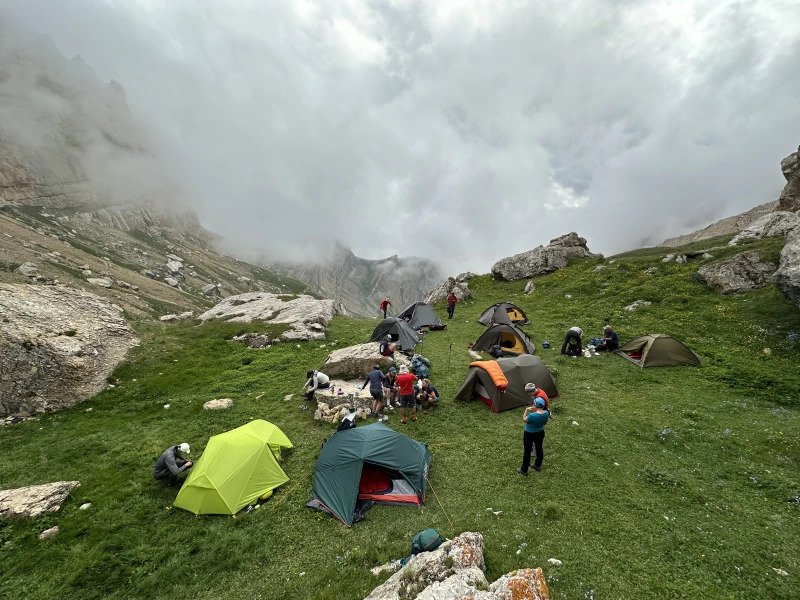
The best camping happens in the mountains—the Greater Caucasus and Lesser Caucasus regions. Backpackers often head to established locations like Shahdag National Park and the Gakh region for reliable infrastructure and beautiful landscapes.
Basic Rules for Wild Camping
1. Nobody will tell you off if you pitch your tent in a meadow or forest in most areas
2. Keep a close eye out for wild dogs and animals
3. Never keep food in your tent—hang it in a sealed bag in a tree, away from your campsite
4. Ask permission before camping on private land
5. Practice Leave No Trace: pack out all trash, bury waste properly, use biodegradable soap
Best Camping Locations
Shahdag National Park
Shahdag National Park is the largest national park in the Caucasus. It was established in 2006 and enlarged in 2010 to cover over 130,000 hectares. Located in northern Azerbaijan close to the Russian border, it encompasses diverse mountain ecosystems.
Practical Details:
Elevation: 1,300–4,000+ meters (Mount Shahdag reaches 4,243m; Mount Bazardüzü, Azerbaijan's highest peak, is 4,466m)
Location: Northern Azerbaijan, accessible from Quba district
Season: May-October recommended (higher elevations snow in winter)
Accommodation: Budget hostels in nearby town of Quba (starting from 13 AZN/night); guesthouses in mountain villages; camping in designated areas
Access: From Quba, approximately 30-40 minutes by taxi or local transport
Wildlife: East Caucasian tur, chamois, brown bears, golden eagles, lynx
Features: Alpine meadows, glacial valleys, mountain streams, marked hiking trails
Why Camp Here:
The park offers a blend of accessible exploration and affordability. Trail variety ranges from gentle walks to challenging hikes. Hiking in summer is excellent; snowy landscapes feel magical in winter.
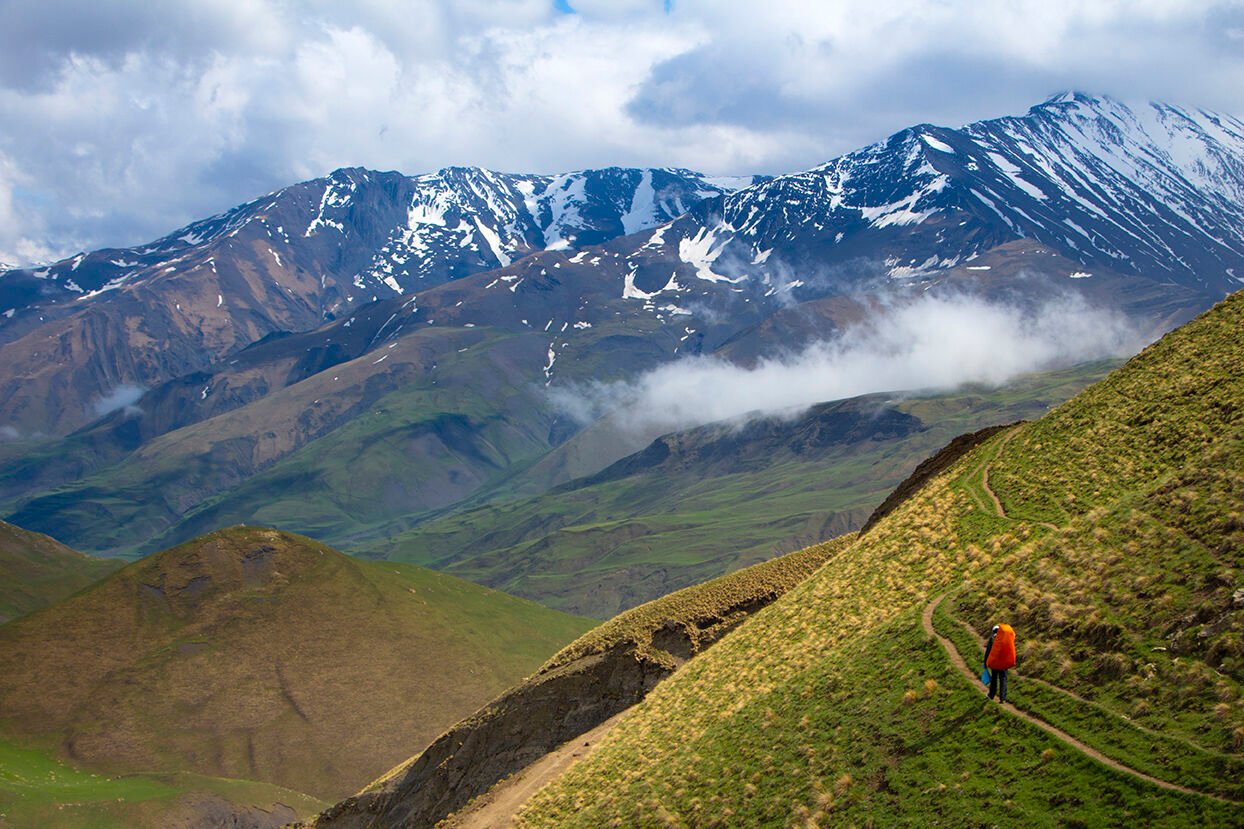
Gakh Region and Gashgachay River Trails
The Gakh region in northwestern Azerbaijan is one of the most hiking-friendly areas in the country. It's home to several well-marked trails organized as part of the Transcaucasian Trail system.
Key Locations:
1. Ilisu Village: Ancient town that was the capital of the Ilisu Sultanate (16th-18th centuries); known for the 17th-18th century Great Mosque and Great Bridge
2. Gashgachay River: 33-kilometer river running through forested mountain terrain, popular for trekking
3. Gashgachay Village: Smaller mountain settlement with basic services
Practical Details:
Elevation: 400–2,280 meters (river valley to mountain passes)
Season: May-September best; year-round possible with proper preparation
Trail Conditions: After heavy rain, paths become muddy and overgrown; trails frequently used by shepherds and their animals
Water Sources: Springs exist but don't rely on them; carry water purification supplies
Accommodation: Guesthouses in Ilisu, Gakh, and Gashgachay; wild camping tolerated if respectful
Access: From Shaki, taxi to Gashgachay costs 12-15 AZN; buses run 3 times daily from Gakh (0.70 AZN)
Hazards: Steep terrain, aggressive dogs guarding livestock, giant hogweed, summer thunderstorms with intensive lightning, washed-out bridges possible during high water
Marked Trails:
1. Gashgachay–Ilisu Trail: 16 km, marked by Azerbaijan Tourism Board, passes through forests, pastures, and steep slopes to the river's banks
2. Gumukh–Gashgachay Trail: 5.5 km through dense woodlands
3. Ilisu–Gashgachay Trail: Longer, more challenging route connecting these settlements
Why Camp Here:
Well-maintained trail infrastructure, authentic mountain villages, cultural heritage sites, river access for water.
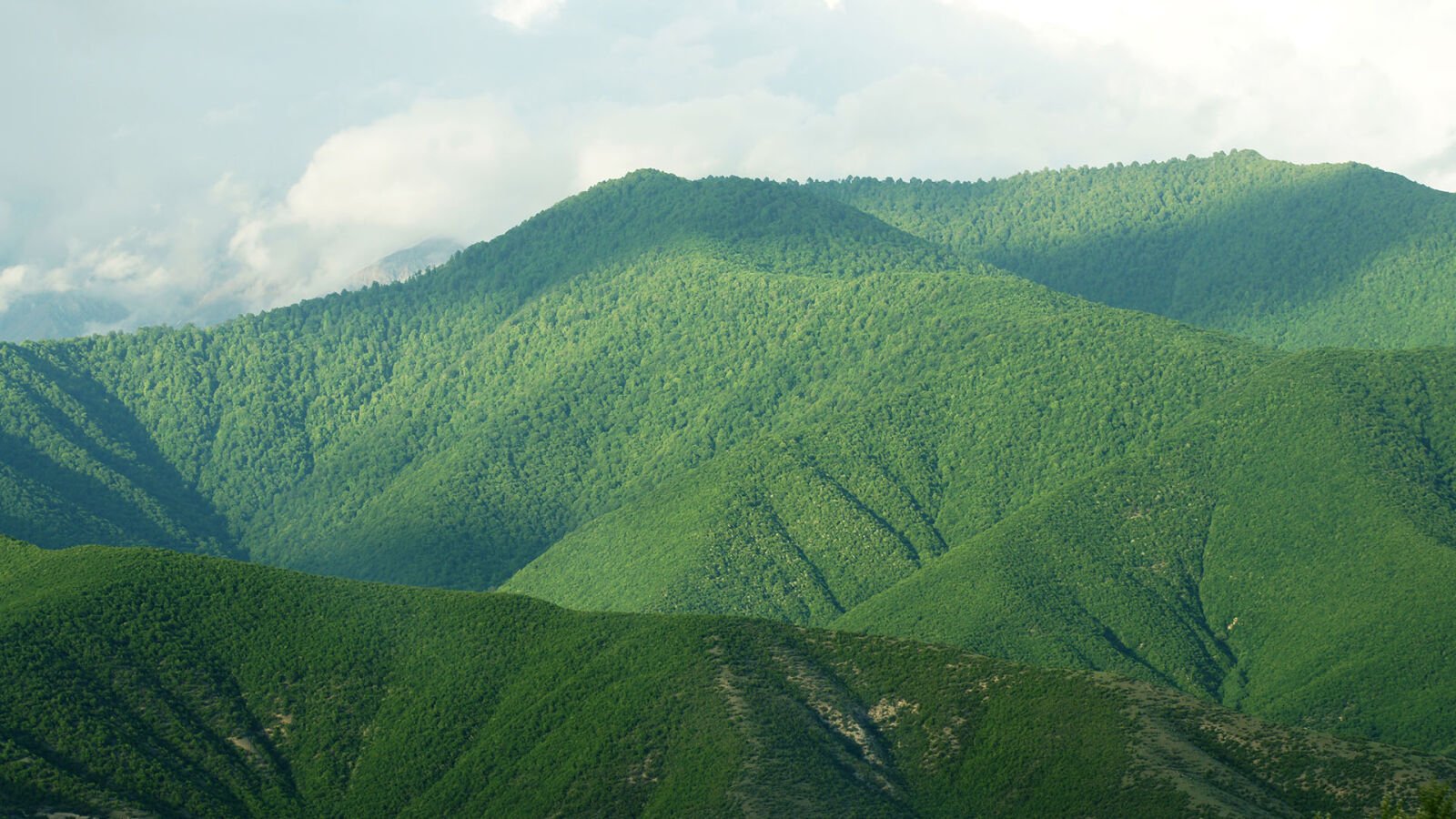
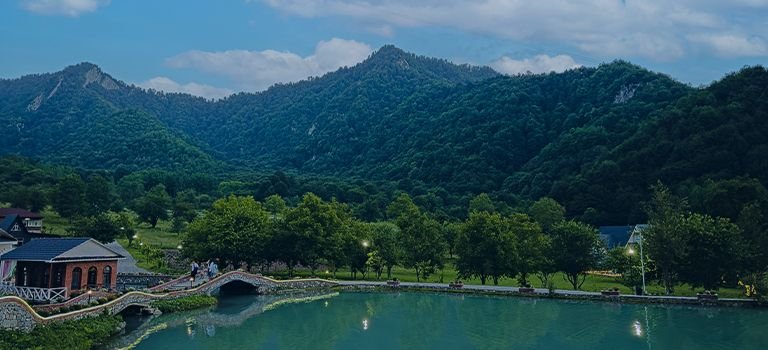
Goygol National Park
Goygol National Park was established in 2008 and is one of Azerbaijan's most scenic protected areas.
Practical Details:
Elevation: 1,000–3,060 meters
Location: Lesser Caucasus Mountains, northeastern region
Season: May-October best
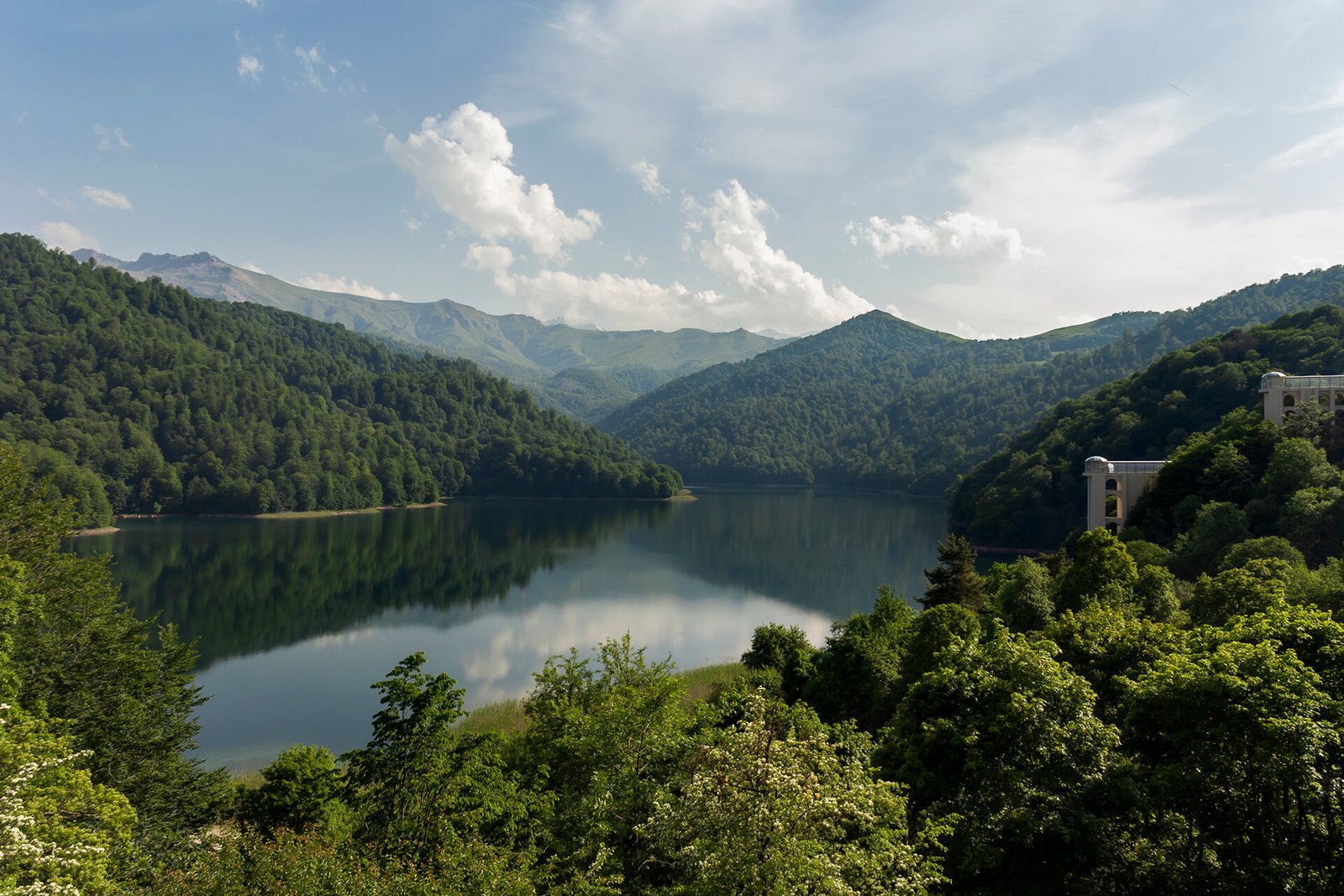
Famous Feature: Lake Goygol with transparent water reflecting surrounding green forests and blue sky
Ecosystem: Medium and high mountain forests, alpine meadows, subalpine zones
Wildlife: Endemic and endangered species protection focus
Camping: Permitted in designated areas within park regulations
Why Camp Here:
Alpine lakes, pristine forests, diverse ecosystems, excellent for nature photography.
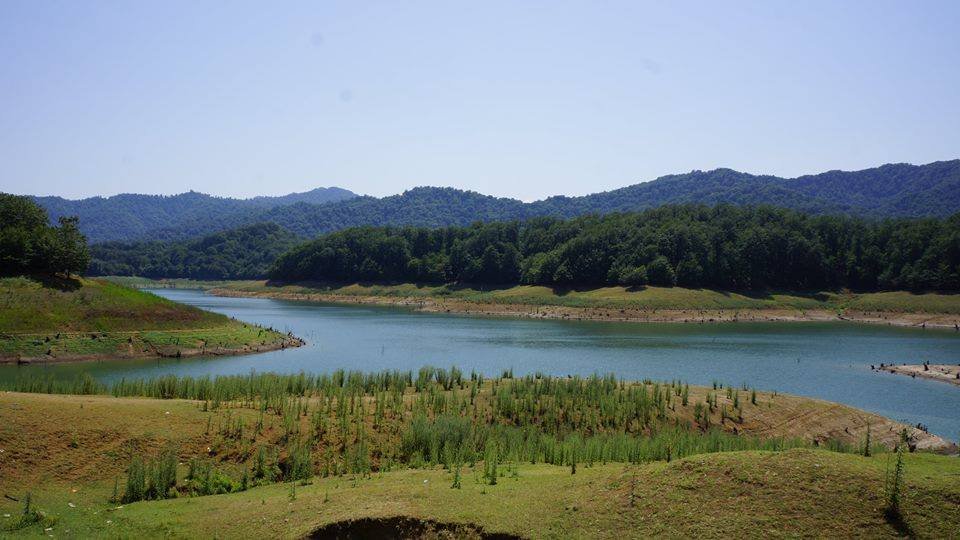
Hirkan National Park (Lankaran Region)
Hirkan National Park protects the landscapes of humid subtropics in southern Azerbaijan.
Practical Details:
Location: Lankaran and Astara administrative districts (southern Azerbaijan)
Elevation: Low (subtropical zone)
Area: 40,358 hectares
Flora: 1,900 plant species including 162 endemic species, 95 rare, 38 endangered
Season: Year-round (humid subtropical climate means relatively mild winters)
Unique Feature: Only place in Azerbaijan with subtropical forests; home to rare species like Persian leopards and Talysh pheasants
Camping: Permitted outside strict reserve zones
Why Camp Here:
Year-round camping possible, unique subtropical ecosystem, species not found elsewhere in Azerbaijan.
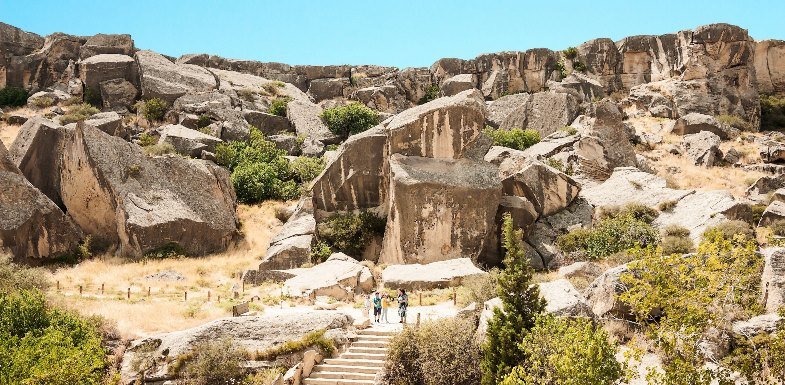
Gobustan National Park
Gobustan National Park is an archaeological site and natural reserve south of Baku.
Practical Details:
Elevation: 200 meters (semi-desert)
Location: 60 km southwest of Baku
Season: Year-round (extremely hot July-August; mild November-March)
Features: 1,500+ petroglyphs dating to Mesolithic period (10,000-5,000 BCE), active mud volcanoes, ancient rock art
Camping Rules: Register at park gate; camping permitted in designated areas, not allowed inside protected zone
Access: From Baku, 60 km by road (1.5-2 hours)
Why Camp Here:
Unique geological features, archaeological interest, closer to Baku for easier logistics.
What to Bring
Essential Gear:
1. 3-season tent (4-season if camping above 2,500 meters)
2. Sleeping bag with temperature rating for local conditions
3. Sleeping pad
4. Backpack 60L+ for multi-day trips
5. Water purification (tablets, filter, or boiling capability)
6. Map and compass (GPS as backup)
7. First aid kit with blister treatment
8. Headlamp/flashlight with extra batteries
9. Multi-tool or knife
10. Waterproof matches/lighter
11. Rope/cord
Clothing:
1. Base layer (thermal or merino)
2. Mid-layer (fleece or wool)
3. Wind/rain jacket
4. Warm hat and gloves (needed even in summer at elevation)
5. Sturdy hiking boots with good ankle support and grip
6. Extra wool socks (at least 2 pairs)
7. Full rain pants and jacket
Food & Water:
1. Water bottles or hydration bladder (3+ liters minimum capacity)
2. Lightweight camping stove with fuel
3. Cooking pot and utensils
4. Lightweight food: pasta, rice, canned goods, energy bars, instant oatmeal
5. Biodegradable soap and toothpaste
6. Toilet paper
Other:
1. Waste bags for trash
2. Sunscreen (high SPF) and insect repellent
3. Medications: pain relief, anti-diarrheal, antihistamine
4. Notebook and pen
5. Respectful mindset toward nature and local people
Where to Buy Gear in Baku:
1. Mountain Shop
2. Yonja Outdoor Store
3. Dagchi Shop
4. Outdoor Store
When to Camp
Best Season: May-September
May-June and September-October offer ideal conditions with moderate temperatures, longer daylight hours, and lower precipitation. Weather is stable, trails are accessible, and mountain passes are snow-free.
Acceptable: July-August
Summer can be intensely hot in lower elevations but remains pleasant in mountains. However, this is peak tourist season so trails may be crowded. Afternoon thunderstorms are common at higher elevations.
Difficult: November-March
Winter brings cold temperatures, significant snow at higher elevations, and short daylight hours. Many trails become difficult or impassable. Requires alpine experience and specialized winter gear.
Avoid:
Heavy rain periods (typically April and November) when landslide risk increases. Winter camping at high altitude without proper experience.
Cost Estimates for 5-Day Camping Trip
If bringing your own gear:
1. Tent: $100-300 AZN (one-time purchase)
2. Sleeping bag: $80-200 AZN (one-time)
3. Food: $15-30 AZN per person per day
4. Camping stove/fuel: $30-50 AZN
5. Transportation to trailhead: $30-100 AZN
Total: 150-250 AZN per person
If renting gear:
1. Tent rental: 10-20 AZN per night
2. Sleeping bag rental: 5 AZN per night
3. Food: 15-30 AZN per day per person
4. Transportation: 30-100 AZN
Total: 100-200 AZN per person
Camping in Azerbaijan offers an affordable and rewarding experience for those comfortable with minimal facilities and self-sufficiency. Mountains are stunning, prices are low, and locals are generally welcoming to respectful visitors. Success comes from proper preparation, asking permission when needed, respecting nature, and embracing the freedom of wilderness camping. Don't expect Western European campground infrastructure—instead, embrace the adventure of self-supported mountain camping in the Caucasus.
Comments (1)
Leave a Comment
thank you