

-
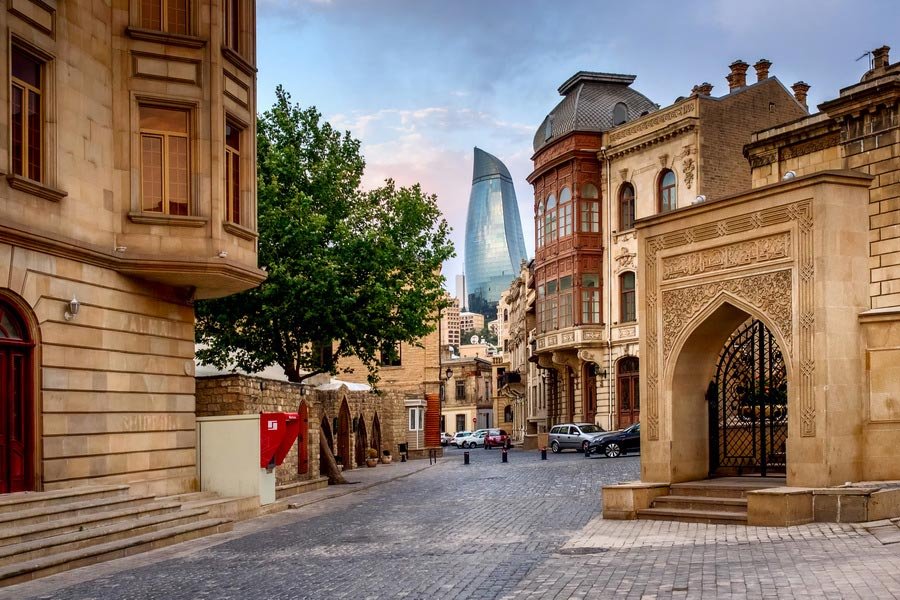
 Where to Exchange Currency in Baku: Dollars, Euros, and Rubles to Azerbaijani Manat
1470
0
Where to Exchange Currency in Baku: Dollars, Euros, and Rubles to Azerbaijani Manat
1470
0
-
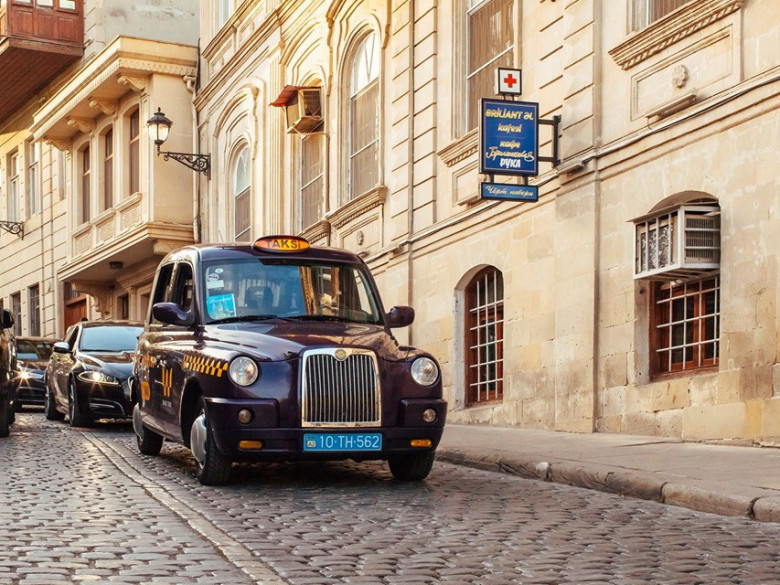 Baku Transportation: How to Get Around the Capital of Azerbaijan
602
0
Baku Transportation: How to Get Around the Capital of Azerbaijan
602
0
-
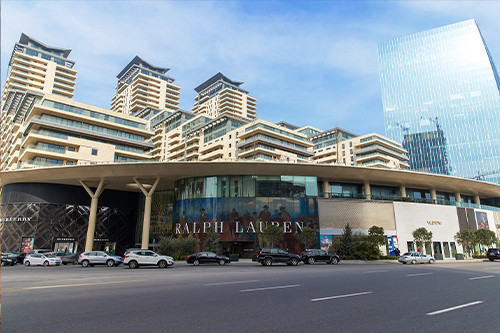 Shopping in Baku — A Guide to the Best Stores, Boutiques, and Shopping Centers in the Capital of Azerbaijan
1260
0
Shopping in Baku — A Guide to the Best Stores, Boutiques, and Shopping Centers in the Capital of Azerbaijan
1260
0
-
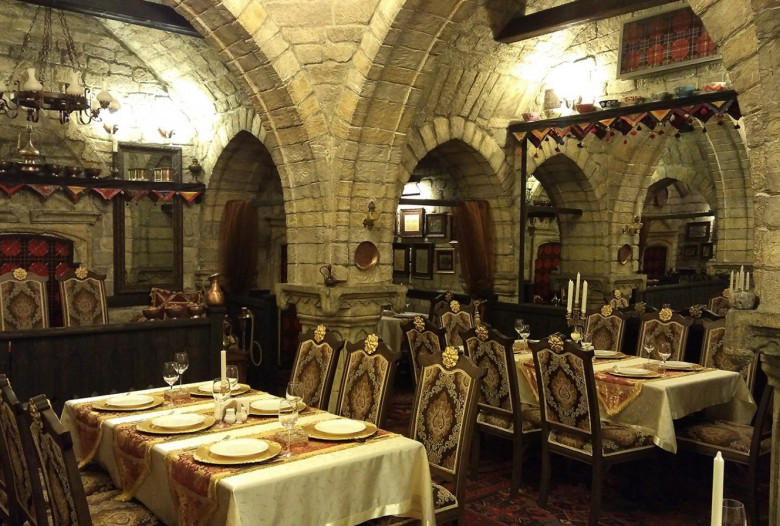 Best Restaurants in Baku: Where to Eat in Azerbaijan’s Capital
1274
0
Best Restaurants in Baku: Where to Eat in Azerbaijan’s Capital
1274
0
-
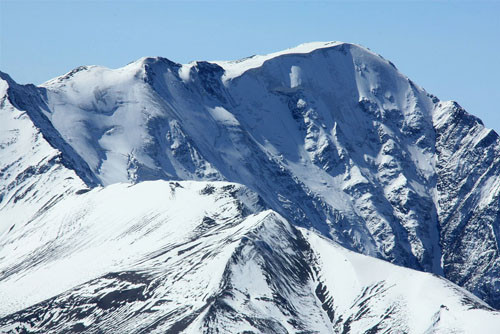 The Highest Mountains of Azerbaijan: A Guide to the Peaks of the Caucasus
301
0
The Highest Mountains of Azerbaijan: A Guide to the Peaks of the Caucasus
301
0
Traveling with Medication: What Passengers Need to Know About New Air Travel Rules from 2026
Starting in 2026, updated rules for carrying medications on flights will come into effect, introducing clearer and stricter requirements for passengers traveling with medical products. These changes are designed to improve safety, transparency, and compliance with international aviation standards. According to the new regulations, medications must be carried in their original pharmacy packaging, clearly displaying the name of the drug, manufacturer, and dosage. Loose pills or medicines transferred into unmarked containers may raise concerns during airport security checks or customs inspections. Special attention will be given to prescription medications, as well as drugs containing strong, controlled, or psychotropic substances. Passengers traveling with such medicines may be required to present a doctor’s prescription or a medical certificate confirming personal use. Without proper documentation, these medications may be subject to additional inspection or restrictions. Authorities emphasize that travelers are allowed to carry medicines for personal use within permitted quantities. However, if the amount exceeds the established limits, standard customs procedures may apply. The rules are governed by national legislation and enforced by airport security and customs services. The upcoming changes aim to align local regulations with global aviation practices and reduce misunderstandings at airports. Travelers who rely on regular medication — especially for chronic conditions — are advised to prepare in advance by keeping prescriptions, medical notes, and original packaging easily accessible during their journey. Being informed about these rules ahead of time will help passengers avoid delays, fines, or confiscation of medications, ensuring a smoother and stress-free travel experience. Sources: Media.az, official airline statements, national customs regulations
Dino Park in Baku 2025: Tickets, Attractions and What to Expect
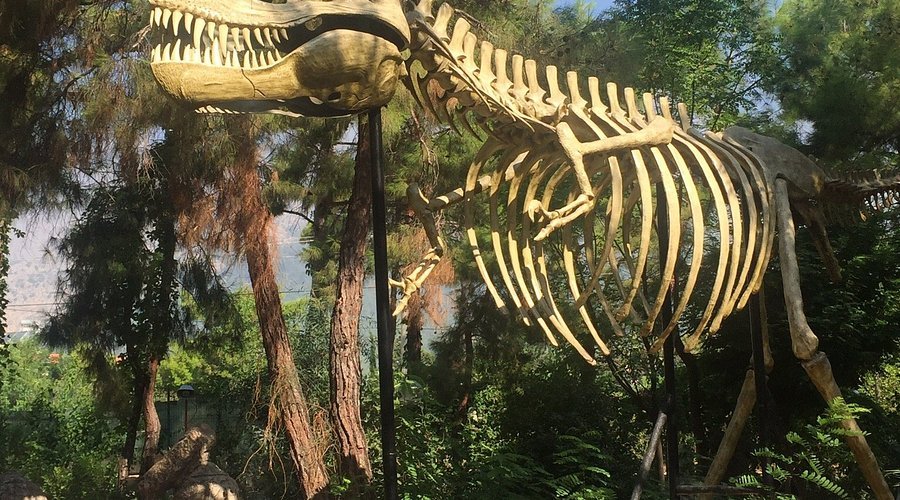
Dino Park in Baku is a modern interactive amusement park designed for family leisure and young visitors. Located on the grounds of the Baku Expo Center, the park invites guests to step into a prehistoric world filled with realistic moving dinosaurs, play areas, and educational elements.The park was created as a safe and engaging space where both children and adults can not only have fun but also learn about the age of dinosaurs in a clear and accessible way.Location of Dino ParkDino Park is situated at the Baku Expo Center, one of the city’s major exhibition complexes, conveniently located close to Heydar Aliyev International Airport.For visitors’ convenience, a free shuttle bus operates between Koroğlu metro station and the park entrance, providing transportation in both directions.What Visitors Can Expect Inside the ParkDino Park features more than 20 full-scale dinosaur models, crafted with a high level of detail. The figures move, produce sounds, and react to visitors, creating the atmosphere of a living prehistoric environment. The largest exhibits reach approximately 9.5 meters in height.In addition to the main dinosaur exhibition, the park includes:- play zones for children of different ages- trampolines and active play areas- sand zones for toddlers- specially designed photo zones- attractions that allow visitors to ride dinosaur figuresAll attractions are included in the entrance ticket and available throughout the day.Ticket PricesAdmission prices to Dino Park are officially established and fixed:Adult ticket: 15 AZNChild ticket: 20 AZNChildren under 3 years old: free entryVisitors with disabilities: free entryThe ticket is valid for the entire day, and re-entry is allowed.Families with three or more children receive a 20% discount upon presentation of a confirming document.Who Dino Park Is ForDino Park in Baku is especially suitable for:- families with children- tourists traveling with kids- school groups- visitors looking for an alternative to traditional sightseein- travelers with limited time in the cityThanks to its proximity to the airport and convenient transport access, the park is easy to visit on the day of arrival or departure.Useful Information for Tourists- Rest areas and snack points are available on site- The park is adapted for strollers- Navigation and signage are clear and intuitive- It is recommended to plan 2–3 hours for the visitWhy Include Dino Park in Your Baku ItineraryDino Park is a clear example of how Baku is developing family-friendly and entertainment tourism, offering modern leisure formats alongside historical and cultural attractions. The park successfully combines fun, education, and comfort, making it appealing to both local residents and international visitors.For tourists traveling with children, Dino Park becomes not just an amusement attraction but a meaningful part of the journey — adding vivid emotions and memorable experiences to discovering Azerbaijan.
Icherisheher Travel Guide — Top Places, History and Atmosphere of Old Baku 2025
IchariSheher — the heart of Baku and a city within fortress walls that is more than 2,000 years old. Every stone here holds stories, legends and secrets, while the narrow streets resemble a labyrinth of time where ancient heritage coexists harmoniously with modern life. No visit to Baku is complete without exploring this unique district — a place where Eastern and Western civilizations have intertwined to form a rich cultural legacy.Below is a convenient guide to the most significant locations in IchariSheher, complete with descriptions, history and key details every traveler should know.Maiden Tower (Qız Qalası)One of the most enigmatic structures in Baku and a national symbol of Azerbaijan. The Maiden Tower is surrounded by numerous legends — from romantic stories to mystical tales. Scholars still debate its true purpose: an observatory, a Zoroastrian temple, or a defensive structure.Climbing to the top offers one of the best panoramic views of the Baku Bay and the Old City.Palace of the ShirvanshahsA 15th-century architectural masterpiece and residence of one of the oldest dynasties of the region. The complex includes a mausoleum, a mosque, a divankhana, and royal living quarters.This palace reflects the era when Baku was a center of craftsmanship, science and poetry. Its stone walls carved with delicate patterns immerse visitors in the atmosphere of the medieval East.Multani CaravanseraiA vibrant reminder of the Great Silk Road. It was built by Indian Multani merchants who traded spices, silks and dyes.The quiet courtyard, arched passages and cool stone halls preserve the authentic feel of old-world trade. Today tourists can relax in its small restaurants and sense the spirit of ancient commerce.Bukhara CaravanseraiAnother major trading hub where merchants from Central Asia once stopped.While walking through its preserved galleries, one can almost imagine bustling markets, the scent of spices and conversations of travelers from distant lands.Juma Mosque (Friday Mosque)Constructed on the site of an ancient Zoroastrian temple. The mosque’s current appearance dates back to 1899, yet its archaeological layers reach much deeper.It is the spiritual heart of IchariSheher, where different cultural and religious epochs have overlapped for millennia.Museum of Miniature BooksOne of the most unusual museums in the world and home to the largest collection of miniature books on the planet.Visitors can see extremely rare editions — some smaller than a fingernail. This cozy and unique museum is especially beloved by tourists.Ancient City Walls and TowersIchariSheher is surrounded by massive 12th-century fortress walls that have survived wars, sieges and earthquakes.Tourists can walk along the walls, discover defensive towers and imagine how life once looked when the entire city existed within the fortress.Narrow Streets of IchariSheherThese are not just streets — they are living history. Some are barely a meter wide and create an unmistakable Eastern charm.Here you’ll meet artisans selling carpets, copperware, ceramics, jewelry and traditional tea. Every turn leads to a new courtyard, an old house or a hidden glimpse of the past.House-Museum of the Azerbaijani Artist Miniaturist Azim AzimzadeA deeply cultural place dedicated to the founder of Azerbaijani satirical caricature.The museum showcases Baku’s artistic scene of the early 20th century, the artist’s social vision and the nuances of national miniature art.Traditional “Kemerli Mevsulu” CourtyardsIchariSheher has preserved old-style shared courtyards where families lived for generations.These spaces reveal the everyday life of old Baku — simple, warm and filled with genuine local atmosphere.A Glimpse into HistoryIchariSheher is one of the oldest urban centers in the region. Archaeological findings show that settlements existed here as early as the Bronze Age. Over time, the city became a key point on trade routes, a center of skilled craftsmen and a stronghold of the Shirvanshah rulers.In 2000, IchariSheher was inscribed on the UNESCO World Heritage List as a rare example of a city that has preserved its historical identity for centuries.This district is a living museum where modern life flows naturally alongside deep antiquity.

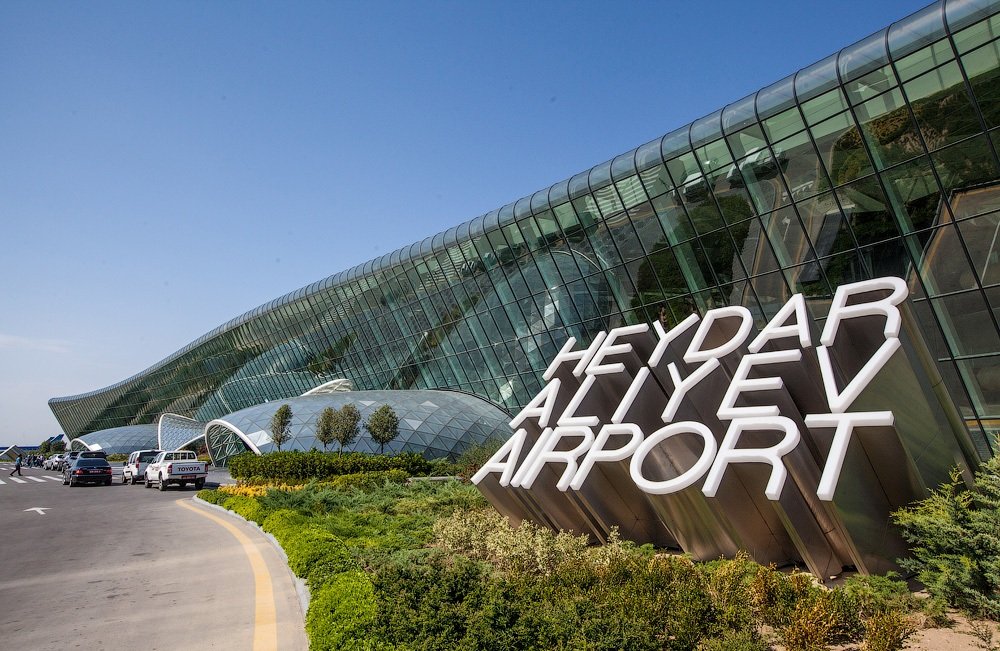
How to Get From Baku Airport to the City Center — Complete 2025 Guide
Heydar Aliyev International Airport is Azerbaijan’s main air hub and one of the most convenient in the region. It is located approximately 20–25 km from the center of Baku, and there are several easy ways to reach the city. Below is the essential information every traveler should know.TaxiThe fastest and most comfortable option.Official apps:Bolt, Uber, AFT TaxiThese services are available right at the airport and operate with fixed or predictable rates.Average travel time: 25–30 minutesPrice range: 15–25 AZN, depending on traffic and your destination.Important: Avoid private drivers without an app — their prices may be significantly higher.Airport Shuttle (Express H1)A convenient and budget-friendly way to reach the city center.Route: Airport → Koroglu Metro Station → Central Baku (28 May Railway Station)Frequency: every 20–30 minutesTravel time: 35–40 minutesFare: 1.50 AZNPayment is made with a BakıKart transport card, available from vending machines at the airport.Car RentalOn the first floor of the terminal, you’ll find offices of both international and local rental companies. Cars can be booked in advance or rented on the spot.Requirements:1. International or national driver’s license2. Passport3. Bank cardIf you plan to travel around the country (Gabala, Sheki, Guba, etc.), renting a car is a convenient option.Hotel or Tour Operator TransferMany hotels in Baku offer private transfer services.Travelers can also use the services of Azerbaijan Travel International.Phone: +994 50 284 44 51 — 24/7 support, transfers, and assistance.Which SIM Card to Buy at the AirportTo use maps and taxi apps comfortably, it’s convenient to get a SIM card upon arrival.Available operators:Azercell, Nar, BakcellWhere to buy: operator desks in the arrival hall of Terminal 1Required document: passportActivation time: 1–3 minutesUseful Tips1. Download Bolt or Uber in advance — the airport has stable Wi-Fi.2. Late at night, the express bus runs less frequently, so a taxi may be a better choice.3. If you are staying in Icherisheher, Fountain Square, or near the Boulevard, select your exact address — some streets are pedestrian-only.
Traveling in Azerbaijan: Emergency Numbers, SIM Cards, and Tourist Safety Tips
Traveling in Azerbaijan is generally safe and smooth, but every tourist should know how to act in unexpected situations. This short, practical guide will help you quickly navigate emergencies if needed.Emergency Numbers in AzerbaijanAll services operate 24/7 and can assist in Russian and English.112 — Unified Emergency ServiceIncludes ambulance, firefighters, and rescue services. The main number for any emergency.102 — PoliceFor safety issues, incidents, or lost documents.103 — AmbulanceDirect medical assistance.104 — Gas Emergency Service101 — Fire DepartmentIf you are unsure which number to call, dial 112 and the dispatcher will direct your call to the appropriate service.Lost DocumentsIn case of lost passport or important documents:1. Contact the nearest police station (102).2. Obtain a written confirmation of the loss.3. Reach out to your country’s embassy or consulate in Baku.4. If necessary, temporary documents will be issued for your return home.Medical Assistance- Modern private clinics are available in major cities. In case of injuries or illness:Call 103 or 112.- Keep your insurance policy handy — most clinics accept international insurance.- In tourist areas like Gabala, Sheki, Lankaran, and others, there are duty medical points and private centers.Where to Get a SIM CardA local SIM card helps you stay connected and use navigation freely.Main Operators: Azercell, Bakcell, Nar.Where to purchase:1. Heydar Aliyev Airport (Terminal 1 and 2)2. Official operator stores in Baku and other major cities3. Shopping malls: Ganjlik Mall, 28 Mall, Deniz Mall4. Tourist regions: Gabala, Sheki, Lankaran, GubaNotes:Passport is required for purchase. Activation usually takes 2–3 minutes. Choose plans with internet packages — best for travel.Tourist SupportFor organizational help, advice, transfers, guidance, or urgent support during your trip, contact a trusted tour operator:Azerbaijan Travel International+994 50 284 44 51Their specialists can assist with routes, translation, real-time recommendations, and information.If You Get Lost or Need Help- In tourist areas, police officers and volunteers are often on duty.- Show them your hotel address on your phone or mention the hotel name — they will assist.- Always save your hotel or apartment geolocation on your phone.Safety Tips1. Keep copies of your passport and visa on your phone and in the cloud.2. Use official taxis (Bolt, Uber, AFT).3. Do not go into the mountains without a guide.4. In regions, inform your hotel or guide of your daily plans.
Azerbaijan and Qatar: How Cooperation Is Turning the Caucasus Into a New Destination for Travelers From the Gulf
The partnership between Azerbaijan and Qatar is rapidly expanding beyond the fields of energy and investments, forming new bridges in the travel industry. In recent years, tourism relations between the two countries have strengthened noticeably: Azerbaijan is actively promoting its travel opportunities across the Gulf region, while Qatar — one of the world leaders in outbound tourism — is becoming an important market for presentations, exhibitions, and B2B travel programs.Together, these efforts are shaping a new dynamic: travelers from Qatar are increasingly choosing Azerbaijan as a comfortable, nearby, and luxurious destination, and tour operators are integrating Azerbaijani routes into their premium travel catalogs.Showcasing Azerbaijan on Qatar’s Key Tourism PlatformsAzerbaijan regularly participates in one of the Gulf’s major travel exhibitions — Qatar Travel Mart (QTM). The national stand attracts the attention of both visitors and industry professionals. Such participation is a strategic step: the Gulf hosts some of the world’s strongest markets for premium holidays, wellness tourism, and family travel.Azerbaijan’s presence at QTM includes destination presentations, meetings with GCC travel agencies, and promotional campaigns tailored to audiences in Qatar and neighboring countries. These efforts have significantly increased awareness of Azerbaijan throughout the region.FAM Trips: Helping Gulf Travel Companies Discover Azerbaijan First-HandCooperation between the two countries has been strengthened through Familiarization (FAM) trips for representatives of the Gulf tourism sector. In 2024, Azerbaijan welcomed a large delegation of leading GCC tour operators, including companies from Qatar. They explored Baku, Gabala, the Shahdag mountain resort, and key cultural and historical sites.Such programs are far more effective than traditional advertising: operators experience the destination personally, evaluate hotels, restaurants, and service quality, and test routes themselves. As a result, their travel catalogs expand, and tourists receive richer, better-developed travel packages.Convenient Logistics: Direct Flights as a Key AdvantageOne of the main factors influencing the rise of Qatari tourism to Azerbaijan is the presence of direct flights. Qatar Airways operates Doha–Baku flights, offering a fast and comfortable journey without layovers.This allows Azerbaijan to be promoted not only as a long-stay destination but also as a perfect “short luxury escape” for 3–5 days.Azerbaijan’s Strong International PositioningAzerbaijan continues to strengthen its global tourism identity — including through its cooperation with the World Travel & Tourism Council (WTTC). This strengthens confidence among investors, travel agencies, and international partners.For Qatari travelers, this is important: Gulf tourists often choose destinations with a strong international brand, high-quality service, and a safe, welcoming environment.Why Azerbaijan Appeals to Travelers From QatarClimate and Diversity• Winter — ski resorts of Shahdag• Summer — Caspian Sea beaches• Year-round — Baku, Ganja, Gabala, Sheki, and mountain regionsCultural ComfortHalal cuisine, mosques, shared traditions of hospitality, and family-oriented culture make Azerbaijan a familiar and welcoming destination.Cuisine and ExperiencesFlavored rice dishes, dolma, sweets, and tea traditions mirror the tastes of Gulf travelers who appreciate rich cuisine and top-quality ingredients.Safety and ServiceModern hotels, international brands, and strong service standards make Azerbaijan ideal for families and luxury travelers.What Qatari Tourists Choose Most✔ Luxury weekend escapes in Baku✔ Ski packages at Shahdag✔ Gastronomy tours and sweet tastings✔ Premium & MICE travel✔ Family holidays in Gabala, Sheki, and mountain resortsVisa RequirementsQatar citizens can use Azerbaijan’s ASAN e-Visa system.Since visa rules change periodically, travelers are advised to check the latest requirements on the official portal before traveling.Tourism cooperation between Azerbaijan and Qatar continues to develop actively and strategically. Through travel fairs, FAM trips, direct flights, and growing interest from the Gulf region, Azerbaijan is solidifying its position as a modern, welcoming, and unique destination.For Qatari travelers, this means easy access to luxury short breaks, rich cultural experiences, and authentic hospitality — making every trip not just a vacation, but a true discovery.
Sacred Sites of Azerbaijan: A Complete Guide for Travelers
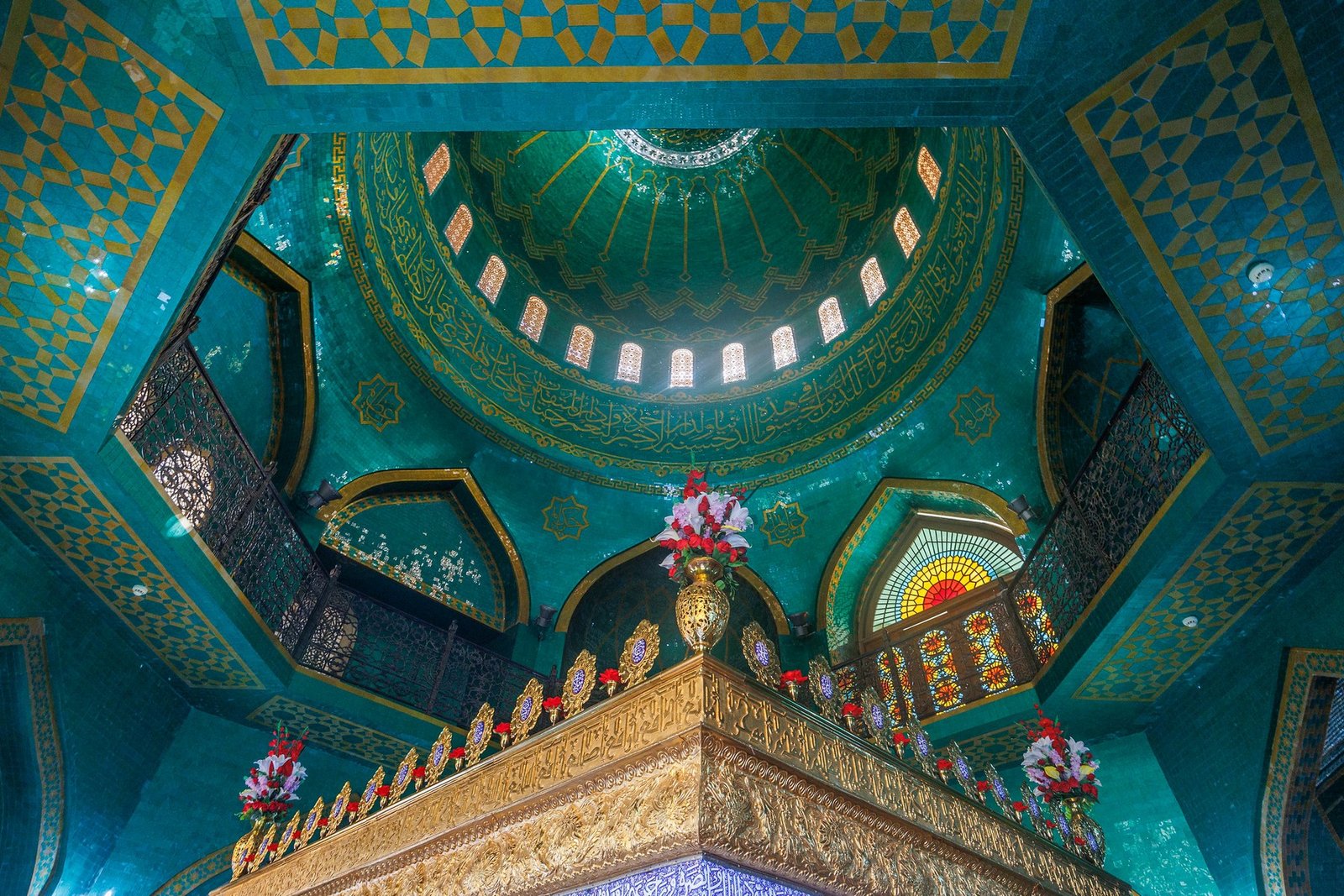
Azerbaijan is one of the few countries where, within a relatively small area, Islamic, Christian, Jewish, Zoroastrian, and ancient pre-Abrahamic traditions intertwine. From the Tomb of Prophet Noah in Nakhchivan to the Albanian churches in Sheki, from the fire-worshipping Ateshgah to the Bibi-Heybat Mosque, a journey through Azerbaijan’s sacred sites becomes a unique experience of spiritual and cultural discovery.ISLAMIC HOLY SITES IN AZERBAIJANBibi-Heybat Mosque and the Mausoleum of Ukeyma Khanum (Baku)One of the most revered Islamic sites in Azerbaijan — a reconstructed 13th-century mosque, destroyed during the Soviet era and restored after independence. The mausoleum of Ukeyma Khanum, a descendant of the Prophet Muhammad, is located here. It is a pilgrimage site attracting visitors from across the region.Taza Pir Mosque (Baku)The largest spiritual center in Baku, built in the early 20th century. It impresses with its golden dome and rich decoration and is one of the main active mosques in the country.Juma Mosque in Icheri Sheher (Baku)Considered one of the oldest mosques in Azerbaijan. The original structures date back to the 9th–10th centuries. It is located in the heart of the Old City, near the Maiden Tower.Mausoleum of Pir Baba (Shabran)An ancient shrine connected to Sufi traditions. It is regarded as a place of spiritual power, where people come seeking purification and healing.Mausoleum of Imam Zaid (Ganja)A sacred site for followers of the Shiite tradition. The tomb is deeply revered, and pilgrims visit daily.Mausoleum of Sufi Hamid (Pir Sufi Hamid, Azerbaijan)Situated in a historically significant and tranquil area, Sufi Hamid was a respected spiritual teacher whose teachings attracted followers from across the region. The complex includes a small domed mausoleum and an adjoining courtyard, where pilgrims come for blessings and spiritual support. The architecture is harmonious and reflects traditional Azerbaijani sacred building styles.Nizami Ganjavi Mausoleum (Ganja)The burial site of the great poet and philosopher Nizami. It combines spiritual and cultural significance, attracting tourists and literature enthusiasts alike.Mount Beshbarmak (Siyazan)Considered sacred since ancient times. At its summit is a revered pilgrimage site, “Khizr Zinda,” visited by those offering prayers.CHRISTIAN HOLY SITES IN AZERBAIJANKish Albanian Church (Sheki)One of the oldest Christian churches in the Caucasus, belonging to the Caucasian Albanian Church. It is believed that the apostle Eliseus preached here. The site is known for its unique spiritual energy.Basilica in Lekit (Gakh)An ancient Albanian church dating back to the 5th–6th centuries. Situated among scenic mountains, it is partially preserved and remains an important monument of early Christianity.Church of the Holy Myrrh-Bearing Women (Baku)The main Orthodox cathedral of the capital, built by the Russian community in the 19th century. Today, it serves as the center of Orthodox life in Azerbaijan.Catholic Church of the Immaculate Conception (Baku)A modern Catholic church built in the early 2000s. It was visited by Pope John Paul II.German Lutheran Church (Baku)A historic 19th-century German community church, now serving as a Chamber Music Hall. The building retains its architectural authenticity.JEWISH HOLY SITESRed Settlement (Quba)A unique settlement — the only compact area of Mountain Jews outside Israel. It includes:- Great Synagogue- Small Synagogue- Religious school and cultural centerThis area is one of the most important Jewish centers in the Caucasus.Mountain Jewish Synagogue (Baku)A modern synagogue with active religious life. An important part of the capital’s cultural landscape.ZOROASTRIAN AND ANCIENT HOLY SITESAteshgah — Fire-Worshipping Temple (Surakhany)A sacred complex where fire has been worshiped for centuries. It was visited by Zoroastrians, Indian Hindus, and Sikhs. One of the most famous symbols of Azerbaijan’s ancient religious history.Yanardag — Burning Mountain (Baku)A natural eternal flame associated with ancient cults. In the past, rituals of elemental worship were performed here.HOLY SITES RELATED TO BIBLICAL PROPHETSTomb of Prophet Noah (Nakhchivan)One of the region’s main sacred sites. According to local tradition, this is the burial place of Noah. The complex includes a mausoleum and ancient architectural fragments. In the mountains of Nakhchivan, holy sites connected to the story of the Flood and the landing of the Ark have been preserved.PREHISTORIC AND SACRED LOCATIONSKhinalugA mountain village with thousands of years of history. It contains ancient altars, sacred stones, places of worship, and unique local holy sites.LahijA historical village-museum. Many Islamic shrines, Sufi mausoleums, and sacred sites with local legends have been preserved here.
The Splendor of Azerbaijani Mosques: A Tourist Guide
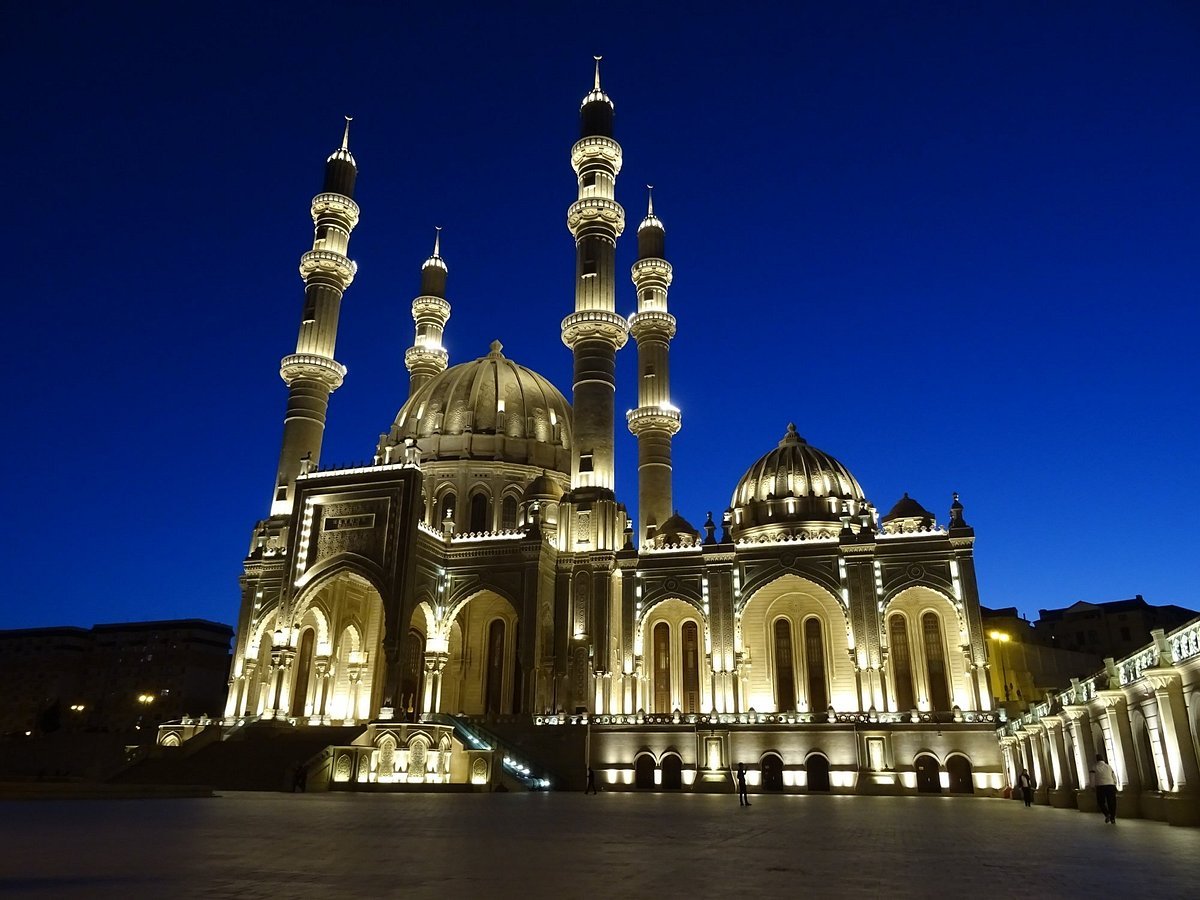
Azerbaijan is a country where the culture of the East meets modern life, and its mosques allow travelers to experience this unique balance. These religious sites are not only spiritual centers but also architectural gems, offering an insightful glimpse into the history and culture of the region.Heydar Aliyev Mosque, BakuOne of the most impressive mosques in Azerbaijan, it astonishes with its size: white facades, tall minarets, and a spacious interior make it a symbol of contemporary Azerbaijani architecture. In the evening, illumination transforms the mosque into a shining landmark, making a visit unforgettable.Address: Hamza Babashov St, Binəqədi, Baku, AzerbaijanPhone: +994 12 513‑90‑49Taza Pir Mosque, BakuLocated in the historical Yasamal district on Mirza Fatali Akhundzade Street, this mosque combines traditional Eastern architecture with Baku’s early 20th-century style. Visitors often remark on the peaceful atmosphere, which contrasts beautifully with the bustling city streets, and the golden domes that catch the sunlight.Address: 7 Mirza Fatali Akhundzade, Yasamal, Baku, AZ1001Phone: +994 12 492‑38‑55Juma Mosque (Friday Mosque), Icheri Sheher, BakuOne of Baku’s oldest mosques, located in the Old City (Icheri Sheher). Its stone walls and restrained architecture create a sense of history, giving visitors a direct connection to the city’s past.Address: Asaf Zeynally St, Old City (İçəri Şəhər), Baku, Azerbaijan17th Century Juma Mosque, GanjaThis spiritual center of western Azerbaijan stands on Shah Ismayil Khetayi Avenue. Red brick facades, arches, and a spacious interior provide a serene and meditative environment, making it a must-visit for travelers interested in regional architecture and history.Address: Shah Ismayil Khetayi Ave, Ganja, AzerbaijanJuma Mosque, ShekiA cozy and compact mosque on 20 Yanvar Street, House 39, built in traditional Caucasian style. Visitors often combine a trip to this mosque with a walk through old Sheki and a visit to the Sheki Khan’s Palace, creating a complete cultural experience.Address: 20 Yanvar St, House 39, Sheki, AzerbaijanShah Abbas Mosque, NakhchivanLocated in the historical center of Nakhchivan, this mosque is an important monument of the Safavid era. It combines religious and historical significance, showcasing Persian architectural influences and providing travelers with a glimpse into the city’s ancient atmosphere.Address: Historical Center, Nakhchivan, AzerbaijanEach of these mosques is unique, reflecting Azerbaijan’s rich history, culture, and architectural diversity. For tourists, they are more than just sightseeing spots — they are landmarks that provide a deeper understanding of the country. The included addresses and phone numbers make it easy to plan visits and obtain necessary information.

A Complete Guide: How to Travel from the USA to Azerbaijan (2025)
Azerbaijan, often called the Land of Fire, is a fascinating crossroads of East and West — where ancient history meets modern innovation.For U.S. travelers, this emerging destination offers everything: vibrant Baku with its futuristic skyline, centuries-old mountain villages, delicious cuisine, and genuine hospitality.If you’re planning a trip from the United States to Azerbaijan, here’s everything you need to know about flights, visas, safety, and travel tips.Flights from the USA to AzerbaijanAs of 2025, there are no direct flights from the United States to Azerbaijan. However, the journey is simple and comfortable with one connecting flight through major international hubs.The most convenient transfer points include Istanbul, Doha, Dubai, Abu Dhabi, and Frankfurt.Flights are operated by major airlines such as Turkish Airlines, Qatar Airways, Emirates, Etihad Airways, flydubai, and Lufthansa.Most flights arrive at Heydar Aliyev International Airport (GYD) in Baku — one of the most modern airports in the region, located just 25 kilometers (about 16 miles) from the city center. The ride to downtown Baku takes around 30 minutes by taxi or express bus.Typical flight duration from New York City (with one stop) is about 12–16 hours, and from Los Angeles around 17–18 hours, depending on the route and layover.Visa Requirements for U.S. CitizensU.S. citizens need an electronic visa (e-Visa) to enter Azerbaijan.The process is quick and can be completed online in a few minutes.Key facts to know:- Visa type: Single-entry- Validity: 90 days from issue date- Duration of stay: Up to 30 days- Processing time: Approximately 3 business days (express options available)- Fee: Around $20 USDYour passport must be valid for at least three months beyond the visa’s expiration date.Travelers staying longer than 15 days should register their stay — hotels usually handle this automatically, but it can also be done online or at a local post office.Safety and Travel ConditionsAzerbaijan is considered a safe and stable destination for foreign visitors.The U.S. Department of State currently lists the country at Travel Advisory Level 2 (Exercise Increased Caution) due mainly to regional concerns near the border with Armenia.Baku and other major cities such as Ganja, Qabala, Sheki, and Lankaran are calm, welcoming, and well-developed.Tourists can freely explore museums, seaside boulevards, and mountain areas without restrictions.It’s recommended to have travel insurance with medical coverage, including emergency evacuation, as a standard precaution.Customs RegulationsVisitors can bring personal belongings and reasonable quantities of goods for personal use.You may import up to:- 1.5 liters of alcoholic beverages;- 200 cigarettes;- Personal electronics and jewelry in limited amounts.Export of antiques or cultural artifacts requires special authorization.Practical Travel Tips- Apply for your e-Visa at least 3 days before departure.- Carry a printed or saved digital copy of your visa.- The local currency is the Azerbaijani manat (AZN) — exchange only at authorized exchange offices.- English is spoken in hotels and tourist areas; Russian is also widely understood.- Time difference: +8 hours from Eastern Standard Time (New York).Best travel seasons: spring (April–June) and autumn (September–October) for pleasant weather and scenic landscapes.Why Visit AzerbaijanFrom the ancient walls of the Old City (Icherisheher) to the shining towers of modern Baku, Azerbaijan offers a unique blend of cultures and eras.In one day, you can walk along the Caspian Sea, visit medieval palaces, and taste authentic national dishes like plov and dolma.For travelers from the U.S., Azerbaijan is more than just a destination — it’s an experience that connects continents and cultures through history, warmth, and discovery.Summary of Key Facts (2025)- Main Airport: Heydar Aliyev International Airport (GYD), Baku- Flight time: 12–18 hours (with one connection)- Visa: e-Visa required (30 days stay limit)- Currency: Azerbaijani Manat (AZN)- Safety: Generally safe with standard precautions- Best season: Spring and AutumnVerified Information Sources- State Migration Service of Azerbaijan- U.S. Department of State (Travel Advisory, 2025)- Embassy of the United States in Baku- Heydar Aliyev International Airport official data- Azerbaijan Customs Committee


Azerbaijan Travel Guide for U.S. Citizens (2025)
Discover the Land of FireAzerbaijan — often called the Land of Fire — is a fascinating destination where ancient traditions meet modern life. For U.S. citizens, this country offers a safe, welcoming, and culturally rich experience at the crossroads of Europe and Asia. From the glittering skyline of Baku to the peaceful mountain villages and the blue waters of the Caspian Sea, Azerbaijan is a land full of contrasts and discoveries.Visa and Entry RequirementsU.S. citizens need a visa to enter Azerbaijan. The simplest and most efficient way to obtain one is through the official e-Visa portal at evisa.gov.az.The electronic visa is single-entry and allows travelers to stay in the country for up to 30 days. It remains valid for 90 days from the date of issue, meaning you must enter the country within that time frame.Applications can be submitted at least three business days before travel, although the portal also offers urgent processing that delivers the visa within just a few hours.The cost of an e-Visa for U.S. citizens is 20 USD, with a small service fee that may vary depending on the application method.Your passport must be valid for at least three months beyond the expiration date of the visa.If your stay in Azerbaijan exceeds 15 days, you are required to register your place of residence. This can be done online or at a local post office, and hotels often assist guests with the registration process.Safety and Practical InformationAccording to the U.S. Department of State, Azerbaijan is generally a safe destination for foreign visitors.Baku, the capital, is modern, clean, and well-patrolled by police, with a low crime rate and high hospitality toward tourists.Visitors are advised to avoid border regions near Armenia and areas formerly affected by conflict, as these remain restricted to foreigners.In all other respects, the country is peaceful, stable, and open to tourism. The people of Azerbaijan are known for their warmth and respect toward visitors.Useful Travel InformationCurrency: Azerbaijani Manat (AZN).Payments: Credit cards are widely accepted in Baku and other major cities, but carrying some cash is recommended when visiting smaller towns or rural areas.Climate: The country enjoys mild winters and warm summers, making it an excellent destination for travel throughout the year.Language: Azerbaijani is the official language. Russian is widely spoken, and English is increasingly common in hotels, airports, and restaurants.Why Visit AzerbaijanAzerbaijan is a place of incredible diversity — from the mysterious mud volcanoes of Gobustan and the ancient rock carvings that tell the story of human civilization, to the tea traditions of Lahij and the majestic mountain peaks of the Caucasus. Visitors can explore the historic heart of Baku, admire the Flame Towers glowing against the night sky, or relax in the peaceful countryside, where time seems to slow down.For U.S. travelers, Azerbaijan combines safety, affordability, and a genuine sense of discovery — a destination where modern comfort meets ancient spirit.

Victory Museum in Baku 2025 — A New Landmark of Memory and Pride in Azerbaijan
In 2025, Azerbaijan proudly opened the Victory Museum in Baku — a monumental project dedicated to the heroism and resilience of the Azerbaijani people. More than just a museum, it stands as a symbol of unity, remembrance, and national pride, honoring those who fought for the liberation and sovereignty of the homeland.The Story Behind the MuseumThe idea of establishing the Victory Museum emerged after the end of the Second Karabakh War, as a tribute to the soldiers and civilians who contributed to the country’s victory. The initiative was endorsed by President Ilham Aliyev, and by 2025, the museum’s impressive building was completed and opened to the public.Architecture and AtmosphereThe Victory Museum is an architectural marvel — a fusion of glass, stone, and light that reflects both strength and transparency. Its modern design and dynamic form symbolize the unbreakable spirit of Azerbaijan.Inside, visitors can explore:- Weapons, uniforms, and personal belongings of soldiers recovered from the liberated territories;- Interactive installations featuring battle chronicles, photos, and veterans’ stories;- Multimedia halls recreating key moments of the war;- A solemn Hall of Remembrance, where an eternal flame burns in honor of the fallen heroes.Every detail — from lighting to sound — has been designed to create a deeply emotional and educational experience for visitors.The Significance of the MuseumThe Victory Museum is not just a cultural site but an important educational space that preserves collective memory and teaches younger generations about patriotism and the price of peace. It has already become one of Baku’s key modern landmarks, standing alongside the Alley of Martyrs and Highland Park as a place of reflection and pride.Location and Visitor Information📍 Address: Khatai Avenue, Baku, Azerbaijan🕐 Opening Hours: Daily from 10:00 to 18:00💵 Admission: Free during the first three days after the opening; later — a small entry fee🚇 How to get there: Take the metro to “Khatai” Station, then walk about 10 minutes to the museum.Located near the Victory Park, the museum offers panoramic views of the Caspian Sea and the Baku skyline — a perfect combination of history and beauty.Why VisitA visit to the Victory Museum is more than a sightseeing experience — it’s a journey through the nation’s modern history. Here, the past and present meet, reminding every visitor that freedom and peace are values to be cherished and passed on to future generations.

Victory Parade in Baku 2025 — Date, Venue, and the Significance of the Event
Baku, the capital of Azerbaijan, is preparing to host one of the most anticipated events of the year — the Victory Parade dedicated to Victory Day, celebrated on November 8. Across the city, large-scale rehearsals are taking place, involving the Armed Forces of Azerbaijan, military vehicles, and aviation units, turning the streets into a grand stage of unity and pride.A City in Motion — The Rehearsals BeginIn recent days, military columns have been marching through central Baku, practicing precise coordination for the upcoming parade. Armored vehicles, missile systems, and personnel units are taking part in rehearsal sessions, while Air Force squadrons conduct flyovers across the city skyline.Naval forces are also involved, rehearsing maneuvers along the Caspian coast.Such detailed and well-coordinated preparations emphasize the scale and importance of the upcoming parade — an event that goes far beyond simple celebration. It reflects discipline, power, and national pride at their peak.The Meaning Behind Victory DayVictory Day, marked annually on November 8, commemorates Azerbaijan’s victory in the Patriotic War and the restoration of territorial integrity. The day symbolizes the country’s resilience, unity, and the strength of its people.The parade in Baku serves as a tribute to those who sacrificed their lives, a celebration of national achievement, and a message of peace and strength to the world. It’s not just a military display — it’s a powerful statement of sovereignty and remembrance.More Than a ParadeFor the people of Azerbaijan, the Victory Parade is more than a traditional march. It’s a day when the nation stands together — veterans, families, soldiers, and citizens — united under one flag. The streets of Baku transform into a living history book, telling the story of courage and patriotism through sights, sounds, and emotion.The participation of ground, air, and naval forces makes the event multidimensional, combining modern technology with symbolic representation of the country’s defense power and unity.When and WhereThe parade traditionally takes place in central Baku, near Freedom Square and the Seaside Boulevard.On Victory Day, road closures and traffic adjustments are expected as part of the city’s preparations. Both local and foreign guests attend the event, turning the capital into a vibrant hub of patriotic celebration.A Celebration of Unity and StrengthThe upcoming Victory Parade stands as a reminder that Azerbaijan’s story is one of perseverance and progress. Behind the rehearsals and grand formations lies a deeper message — the honor of memory, national dignity, and belief in a peaceful future.For those who witness it, the parade is not just a spectacle, but an emotion — a moment when the entire nation breathes in rhythm, proud of its past and confident in its future.

Winter Tourism in Azerbaijan
Azerbaijan in winter is a land of contrasts — snow-covered mountain peaks, mild coastal weather, and the warmth of oriental hospitality. The country transforms into a wonderland where ancient traditions meet modern comfort. Whether you’re chasing adventure on ski slopes or seeking serenity by a fireplace, winter here offers an unforgettable experience.Shahdag — The Heart of Azerbaijan’s WinterLocated in the Gusar region at 2,500 meters above sea level, Shahdag Mountain Resort is the country’s first and largest ski resort, often compared to the best in the Caucasus.Highlights:- Over 25 km of ski slopes for all levels- Modern Austrian-made ski lifts- Snowmobile, tubing, and quad tours- Ski schools, equipment rentals, and cozy lodges- Luxury hotels and spas right at the slopesAfter a day of skiing, enjoy a cup of Azerbaijani tea or hot chocolate while watching the sun set behind snow-covered peaks.How to get there: around 3–4 hours by car from Baku, with regular shuttle services in winter.Gabala — A Family-Friendly Winter EscapeNestled among the Caucasus Mountains, Gabala (Qabala) turns into a snowy fairy tale in winter. The Tufandag Mountain Resort is perfect for both beginners and families with children.What to expect:- Up to 17 km of slopes and 4 cable cars- Snowboarding, skiing, and snow tubing- Cozy cafes serving local honey, jam, and fresh tea- Scenic Nohur Lake frozen in winter mist- Ancient ruins of Kabalaka, the former capital of Caucasian AlbaniaTravel time: about 4–5 hours from Baku, passing through scenic towns like Shamakhi and Ismayilli.Lankaran — Warm Winters by the SeaFor those who prefer a milder winter, Lankaran in southern Azerbaijan offers green forests, citrus groves, and a subtropical climate.Here you can:- Relax in thermal hot springs in the village of Istisu- Visit the Hirkan National Park, home to rare plants and animals- Discover tea plantations and taste freshly brewed Lankaran teaIt’s the perfect destination for those who want a peaceful retreat surrounded by nature and local hospitality.Sheki and Gakh — The Soul of the CaucasusIn Sheki and Gakh, time seems to slow down in winter. Ancient stone houses, wooden balconies, and snow-capped mountains create a storybook atmosphere.In Sheki, don’t miss the Palace of the Sheki Khans, whose stained-glass windows shine even in soft winter light. Try the city’s famous Sheki halva and aromatic tea.Gakh, nearby, offers scenic mountain guesthouses, hiking trails, and the tranquility of small village life.A Taste of Winter — Azerbaijani CuisineWinter in Azerbaijan comes with rich, warming dishes:Piti — lamb stew with chickpeas, slow-cooked in clay potsDushbara — tiny dumplings in broth, a Baku favoriteSaffron pilaf with dried fruitsQutab and fresh churek bread served with herbal teaDon’t miss homemade jams — quince, walnut, and fig — that perfectly complement the cold season.Why Visit Azerbaijan in WinterDiverse climate: ski in the mountains and walk by the sea the same dayAffordable prices: fewer tourists, lower hotel ratesModern resorts: high-quality service and infrastructureCultural depth: winter is the best time to explore museums, palaces, and local traditionsAzerbaijan in winter is a hidden gem — calm, authentic, and breathtakingly beautiful. Whether you’re an adventurer or a dreamer, this land of fire and snow will warm your heart.

Agritourism in Azerbaijan — Where Nature, Tradition, and Hospitality Meet
In Azerbaijan — a land of lush valleys, fertile plains, and ancient mountain villages — agritourism is becoming one of the most meaningful ways to experience the country.Here, travelers don’t just watch rural life from afar — they live it. From harvesting fruit and feeding animals to baking bread in a traditional tandir oven, every moment brings you closer to the roots of Azerbaijani culture.What Is Agritourism?Agritourism means discovering the rhythm of the countryside, where every season has its charm. Guests stay on working farms and family estates, learning how food is grown, helping with daily chores, and enjoying authentic home-cooked meals. You might find yourself picking grapes in autumn, tasting fresh honey from a local beekeeper, or learning how to make cheese and butter the traditional way. Nothing here is staged — it’s all real, sincere, and deeply connected to the land and its people.Why Agritourism MattersFor travelers, agritourism offers something modern life often lacks — peace, authenticity, and connection. It’s a way to slow down, breathe fresh air, and rediscover the joy of simplicity.For the local communities, it’s also a lifeline. Agritourism helps preserve traditional crafts, sustain rural economies, and revive villages that once faced depopulation. By visiting farms, you’re supporting families who keep centuries-old traditions alive.Where to Experience Agritourism in Azerbaijan:Sheki & ZagatalaThe northwest of Azerbaijan is the country’s agritourism heart. Among walnut groves and fertile valleys, cozy guesthouses and family farms welcome visitors with open arms. One of the most popular destinations is Bio Garden in Sheki — a beautiful eco-farm with citrus orchards, kiwi, and feijoa trees. Here you can enjoy a meal at a farm-to-table restaurant and learn about organic cultivation.In Zagatala, known for its honey and nut production, visitors can tour beekeeping farms, taste mountain honey, and watch how dairy products and mazzoni (a traditional yogurt drink) are made.GabalaA scenic region famous for vineyards and fruit orchards. Gabala’s farms are perfect for those who love both nature and good food. Visitors can take part in grape harvesting, join local wine tastings, or stay on farms that offer horseback riding and hiking through the foothills of the Caucasus.IsmayilliA region where agritourism meets tradition. Here, guests are welcomed into rustic stone houses, offered homemade jams, cheeses, and tandir bread. Apple and pear orchards surround the villages, and visitors can take part in the harvest while enjoying stunning views of the mountains.Lankaran & AstaraThe southern regions of Azerbaijan are famous for their tea plantations and citrus farms. In Lankaran, travelers can visit local tea estates, learn about tea production, and enjoy a cup brewed on-site with homemade jams. Nearby Astara offers citrus farms where guests can join in during harvest season and taste freshly picked lemons and oranges right from the trees.Guba & GusarUp north, at the foot of the Greater Caucasus Mountains, lie the famous Guba apple orchards. Here, tourists can take part in “apple tours” — walking through orchards, tasting different apple varieties, and sampling fresh cider or homemade jams. Some farms offer charming guesthouses built in traditional architectural style, perfect for peaceful overnight stays surrounded by nature.What to ExpectDon’t expect luxury — expect authenticity.Most farms offer cozy cottages or guesthouses surrounded by gardens, where breakfasts are made from ingredients grown right outside your window: homemade cheese, honey, freshly baked bread, and herbal tea. Days are filled with simple pleasures — morning walks, fruit picking, cooking workshops, and evenings by a fire under the starry sky. Agritourism in Azerbaijan isn’t just a trip — it’s an experience that brings balance back into your life.Travel Tips- Book ahead — many farms have limited accommodation.- Wear comfortable clothes and shoes suitable for outdoor activities.- Expect hands-on experiences — this is not a resort stay, but a journey into real rural life.- Interact with your hosts — they love sharing stories about their land and traditions.- Bring curiosity — you’ll learn not only how food is made but also the values that shape local life.Agritourism in Azerbaijan invites you to slow down and rediscover the beauty of simple things — the taste of fresh bread, the warmth of homemade tea, the sound of wind through the orchards.It’s where nature, hospitality, and authenticity meet, creating memories that linger long after you leave. If you’re seeking a genuine connection with the land and people — this journey into Azerbaijan’s countryside is the perfect escape.

The Villages of Azerbaijan — Living History Amid Mountains and Valleys
If you want to see the real Azerbaijan, leave behind the city lights and follow the winding roads that lead deep into the mountains. There, where clouds kiss the peaks and the air smells of fresh bread and wild herbs, life flows differently.Azerbaijan’s villages are not just settlements — they are living museums, guardians of centuries-old traditions, and places where time seems to pause.Lahij — The Village of Masters and MetalHidden on the slopes of the Greater Caucasus in the Ismayilli region lies Lahij, one of the most picturesque and ancient villages in Azerbaijan. Its history goes back over a thousand years, and during the Middle Ages, Lahij was already famous across the East for its master craftsmen. Even today, visitors can hear the rhythmic hammering of copper workshops and see artisans creating handmade metalware, decorated with traditional patterns. Every line, every curve has meaning — symbolizing strength, eternity, and the harmony of life.Cobblestone streets, stone houses with wooden balconies, and the scent of fresh bread in the air create the feeling that you’ve stepped back in time.Lahij is listed on UNESCO’s Tentative World Heritage List as a rare example of a well-preserved medieval mountain settlement with living traditions.Khinalug — The Ancient Village Above the CloudsPerched high in the mountains of the Guba region at an altitude of 2,300 meters, Khinalug (Xinaliq) is one of the oldest and highest mountain villages in the world, continuously inhabited for more than 5,000 years. The houses here are built terrace-style — the roof of one serves as the yard of another. This unique architecture helped protect residents from avalanches and made the most of limited space. The people of Khinalug are descendants of an ancient Caucasian tribe and speak their own unique language, unrelated to any other on Earth. Only a handful of linguists are able to fully understand it.Despite modern life creeping closer, traditions remain untouched: women weave carpets, men tend to sheep, and families gather by the fire on winter nights to share tales of spirits, mountains, and ancestors.Khinalug is part of the Caspian Biosphere Reserve and a protected heritage site. For travelers, it offers not just breathtaking views but a rare sense of authenticity — a glimpse into a world that time forgot.Ivanovka — The Spirit of Molokan CultureNestled in the Sheki region, Ivanovka is a charming village founded in the 19th century by Russian settlers known as Molokans.It’s one of the few places where traditional Molokan life still thrives. Locals bake bread in clay ovens, make homemade cheese and honey, and live by the principles of simplicity and community. Ivanovka is famous for its hospitality — visitors are often welcomed like family and treated to tea from a samovar, fresh dairy products, and homemade preserves.Surrounded by rolling hills and gardens, the village feels like a peaceful blend of Russian and Azerbaijani traditions, coexisting in perfect harmony.Ilisu — Nature and History IntertwinedTucked into the forested hills of the Gakh region, Ilisu is a mountain village where nature and history intertwine. Ancient stone towers, medieval bridges, and traditional houses built from river stones give this place a timeless charm. Nearby waterfalls — Ram-Rama and Mukhakh — attract travelers in search of serenity and fresh mountain air.Ilisu is perfect for hiking, picnics, and discovering the quiet beauty of northwestern Azerbaijan, where life flows in tune with nature.Kish — The Cradle of Christianity in the CaucasusJust a few kilometers from Sheki lies Kish, a village known for its ancient Albanian Church of Saint Elishe, one of the oldest Christian sites in the Caucasus. Legend says it was founded by a disciple of Apostle Bartholomew, and archaeological excavations revealed an ancient cemetery beneath the church, confirming its deep historical roots. The stone church was built without nails, its walls adorned with symbols of the sun and eternity. Today, the site serves both as a museum and a place of spiritual reflection.Kish enchants visitors with its peaceful streets, vineyards, and the sense that every stone here holds a memory of the past.Lekit and Gabala — Where Nature Tells Ancient StoriesIn the Gabala region, the village of Lekit is surrounded by walnut groves, waterfalls, and the ruins of the Church of Saint Elishe. It is believed that part of the Great Silk Road once passed through these lands, bringing traders and travelers who rested among the lush greenery and flowing streams.Today, Lekit attracts eco-tourists and hikers who come to see the Mamırlı Waterfall, medieval bridges, and caves once used by hermits.It’s a place where nature and history whisper to each other in the mountain breeze.The Living Soul of AzerbaijanEach village in Azerbaijan has its own rhythm, its own story, and its own way of preserving the past. Here, you can still see traditional crafts, hear ancient languages, taste homemade food, and experience the warmth of genuine hospitality.Traveling through these villages means more than sightseeing — it’s a journey into the heart and soul of Azerbaijan, where the spirit of the mountains, the songs of the rivers, and the kindness of the people come together in perfect harmony.
.jpg)

Azerbaijan and Xi’an Discuss Launch of Direct Flights
Azerbaijan and China are exploring new opportunities to strengthen their transport and economic cooperation.A meeting between Azerbaijan’s Minister of Digital Development and Transport, Rashad Nabiyev, and the Mayor of the Chinese city of Xi’an, Ye Niuping, focused on expanding collaboration and establishing direct air connections between the two sides.According to Minister Nabiyev’s statement shared on social media, the parties discussed the current state and prospects of cooperation in the fields of railway and transport, particularly between Azerbaijan and the Shaanxi Province, whose capital is Xi’an.Xi’an — Gateway of the Silk RoadXi’an, one of China’s oldest cities and a starting point of the ancient Silk Road, plays a crucial role in modern trade and logistics.Establishing direct air links between Baku and Xi’an would not only strengthen economic and business relations, but also enhance tourism between the two regions.The initiative is expected to become part of the broader East–West transport corridor, in which Azerbaijan serves as a key hub connecting Asia and Europe.Expanding Transport and Economic TiesExperts note that direct flights could open new possibilities for both passenger travel and cargo transportation, supporting the growth of trade and logistics within the Trans-Caspian International Transport Route.In recent years, Azerbaijan has been actively developing cooperation with China in the fields of digital innovation, logistics, and infrastructure.The proposed flight connection between Baku and Xi’an would mark another milestone in this growing partnership.📍 Source: Based on APA reports

Fish Dishes of Azerbaijan — Where to Try
Azerbaijan, washed by the waves of the Caspian Sea, is a land where mountains meet the shore and every meal tells a story.Among its many culinary treasures, fish holds a special place. It is not just food here — it is a symbol of abundance, tradition, and the connection between people and sea.From freshly grilled kutum to tender sturgeon cooked over open fire, every dish captures the essence of Caspian life — simple, rich, and full of soul.The Caspian — Source of Flavor and InspirationFor centuries, the Caspian Sea has been the lifeline of coastal towns like Baku and Lankaran. Locals still buy fish directly from fishermen at sunrise and cook it right by the sea.The most popular types of fish include:Kutum (White Fish) — a Caspian delicacy with soft white meat and a rich flavor.Sturgeon (Ossetra) — the royal fish of Azerbaijan, grilled or baked to perfection.Carp (Sazan) — popular for home-style cooking, often fried or stuffed.Mullet and Anchovy — lighter options, served with lemon and herbs.Cooking methods remain traditional: fish is marinated in onion, lemon juice, and saffron, then grilled or roasted. The philosophy is simple — the fresher, the better.Traditional Azerbaijani Fish Dishes🍢 Grilled Kutum or Sturgeon (Balıq Kababı)A national favorite — marinated fish cooked on charcoal until golden and tender.🍚 Fish Pilaf (Balıq Plovu)An elegant alternative to meat pilaf — saffron rice layered with sturgeon and dried fruits.🍲 Fish Soup (Balıq Şorbası)A light and aromatic broth with coriander, herbs, and lemon — perfect for cooler evenings.🥗 Cold Fish AppetizersSmoked or marinated kutum or mullet, served with lemon and pomegranate sauce — a must-try for seafood lovers.Where to Try the Best Fish Dishes in AzerbaijanBaku — The Capital of Caspian CuisineMugham Club (Icherisheher) — a cozy restaurant in the Old City serving traditional grilled sturgeon and kutum with pomegranate sauce.📍 9 Kichik Gala St., Baku | ☎️ +994 12 492 27 60Nakhchivan Restaurant — known for its authentic fish pilaf and sturgeon with lemon sauce.📍 103 Azadlig Ave., Baku | ☎️ +994 12 465 18 20Fish House Baku — one of the city’s best seaside spots for fresh fish, delivered daily straight from the Caspian.📍 Seaside Boulevard, near Deniz Mall | ☎️ +994 50 272 11 44Lankaran — The Southern Flavor of the SeaLankaran, famous for its citrus fruits and spicy dishes, gives a unique twist to fish recipes — adding tangy herbs, lemon, and peppers. Khan Lankaran Restaurant — a local favorite serving fried carp and fragrant fish soup with herbs.📍 H. Aliyev St., Lankaran | ☎️ +994 25 255 60 88Guba & Gusar — Fish in the MountainsEven far from the sea, mountain regions have their own specialties — especially grilled trout from local rivers, cooked with garlic, lemon, and fresh herbs in cozy countryside cafés.Traveler Tips- Always choose fresh fish, especially in coastal areas — most restaurants receive daily deliveries.- Try Narsharab (pomegranate sauce) — it perfectly complements grilled fish.- The best time for seafood lovers is spring and autumn, when catches are most abundant.- Ask for charcoal-grilled fish cooked on site — it’s an experience as much as a meal.Fish dishes in Azerbaijan reflect the soul of the Caspian — generous, flavorful, and deeply traditional. Whether you’re savoring kutum by the seaside or trying sturgeon pilaf in Baku, every bite tells a story of water, fire, and the people who live between them. It’s not just seafood — it’s a taste of Azerbaijan itself.

The Highland Park in Baku — Where the City Meets the Sky
Baku is a city that never ceases to amaze. It is a place where ancient walls blend with futuristic towers, where the bustling Caspian promenade gives way to quiet green alleys, and where, high above the city, the Highland Park offers one of the most breathtaking views in all of Azerbaijan.A Place of Memory and BeautyHighland Park, once known as Kirov Park, was laid out in the early 20th century on the slopes of Bayil Hill, the highest point of central Baku. From here, the city unfolds like a living tapestry: the ancient walls of Icherisheher, the iconic Maiden Tower, the shimmering Caspian Sea, and the soaring Flame Towers, symbolizing the eternal fire of Azerbaijan. But Highland Park is more than just a scenic viewpoint. It is also a memorial space. The park is home to Martyrs’ Lane, where the nation honors those who gave their lives for the independence of Azerbaijan. The Eternal Flame burns here, a symbol of memory and gratitude that fills the air with quiet reverence.The Best View in BakuIf there is one place that captures the soul of Baku from above — it’s here. From Highland Park, the entire city lies beneath your feet.The Seaside Boulevard glimmers below.The Caspian Sea stretches endlessly toward the horizon.To the left, the old city of Icherisheher whispers its millennia-old stories.To the right, the Flame Towers rise proudly, lighting up the skyline with colorful animations after sunset.The viewing terraces are beautifully designed with benches, railings, and flowerbeds. At sunset, this is one of the most romantic spots in Baku, when the city begins to sparkle under the deepening sky.How to Get ThereThe easiest way to reach Highland Park is by taking the Baku Funicular, which connects the Seaside Boulevard with the upper park area. Opened in the 1960s, it’s one of the oldest funiculars in the region, and even a short ride offers a memorable view of the city. You can also reach the park by taxi or on foot. Walking up the staircase from Neftchilar Avenue is a wonderful way to experience the atmosphere of Baku, especially early in the morning or at sunset.What to See in the ParkMartyrs’ Lane – a moving memorial site with the Eternal Flame.Martyrs’ Mosque – a small, elegant mosque built in traditional style.Panoramic terraces – several levels with different viewing angles of the city.Fountains and alleys – perfect for peaceful walks surrounded by greenery.Best Time to VisitHighland Park is open year-round and beautiful in every season. In spring, it’s full of blooming trees and flowers; in autumn, the city below glows with amber light. Evenings are especially magical — a favorite time for locals and tourists to gather, watch the sunset, and enjoy the city lights.Why Visit Highland ParkHighland Park is a place of contrasts — peace and grandeur, memory and modernity. Here, above the busy streets, you can truly feel the essence of Baku: its strength, beauty, and eternal flame. It’s a must-visit for anyone who wants to see the city not just from a distance, but to feel it — to breathe in its spirit from above.📍 Useful InformationAddress: Bayil Hill, Baku (next to Flame Towers)Access: Baku Funicular, taxi, or by footOpen hours: 24/7, free entryBest time: sunset or eveningHighland Park isn’t just a viewpoint — it’s the heart of Baku.It’s a place where history meets horizon, where silence holds the weight of memory, and where every sunset feels like the first one you’ve ever seen.Standing here, as the city lights reflect on the Caspian Sea, you understand why Baku is called the City of Wind and Fire — and why its beauty always draws you back.